
How to Use Terpenes for Relaxation and a Restful Night’s Sleep
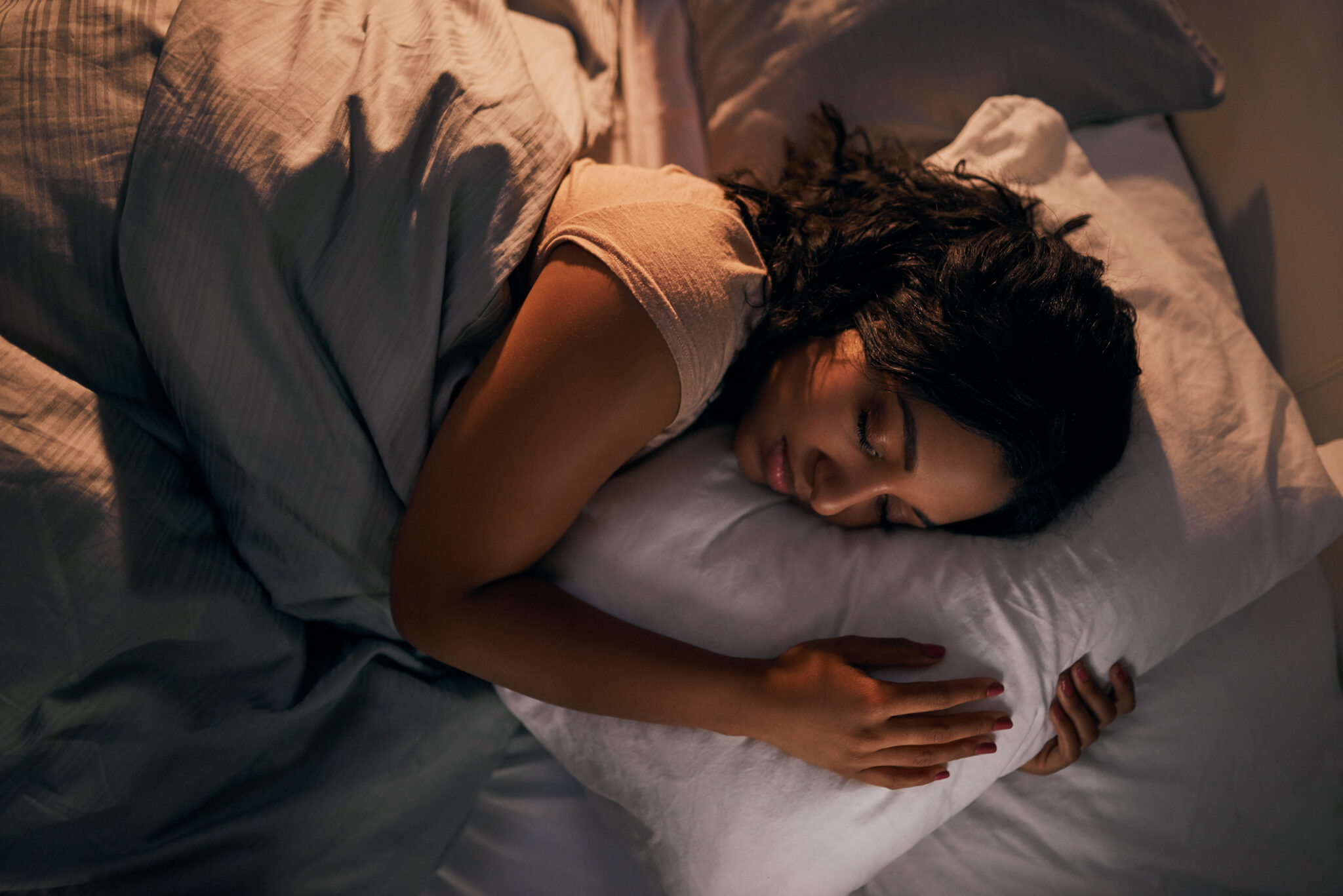
At the end of a tough day, the last thing that one would want is to just chill out and hopefully get a good night’s rest. With our fast-paced lives, with all the pressure in our lives, it is hard to turn the switch off sometimes. This is key to the rise of interest in terpenes, an area people are exploring in their cannabis products.
Terpenes are natural substances that are part of cannabis plants. They can be found in most kinds of flowers and fruits and are responsible for the fragrance of plants. Terpenes are not just about the smell and they have been studied to find out how they interact with the human body and whether they can provide a solution to the problem of unwinding and sleeping.
If you are interested in details about terpenes and relaxation, this guide is here to help you.
What Are Terpenes, and Why Do They Matter?
The term “terpenes” refers to fragrant substances created by a wide variety of plants in nature. They are known for their characteristic scent of lavender in its fragrance, citrus fruits have fresh pleasant fragrance and the very recognizable smell of wood coming from pine trees.
For cannabis plants, terpenes are not only responsible for the fragrances produced by different types of cannabis. There are several terpenes that are talked about very often – myrcene, linalool, limonene and beta-caryophyllene.
There were many stories about how some terpenes are responsible for having calming effects on people. Early studies have been done on how terpenes can affect people, but there is still no confirmed proof that certain terpenes have a reliable effect on relaxation of sleep.
It is very important to remember that the mere scent does not mean that terpenes will be effective. One’s reaction to terpenes depends on the particular case.
4 Terpenes Commonly Associated With Relaxation and Sleep
Different terpenes have different aromatic profiles. Here are four worth knowing about when learning more about terpenes for relaxation and sleep.
1. Myrcene: An Earthy, Herbal Aroma
Myrcene is present in various plants, such as mangoes, hops, and thyme. The compound has an earthy and herbal smell and there have been various conversations regarding its association with cannabis strains that induce relaxation.
Some customers believe that marijuana that contains myrcene makes for a relaxing encounter, but there is still no solid clinical evidence that myrcene itself helps enhance sleep among humans.
2. Linalool: A Familiar Floral Scent
Linalool can be found in lavender and other aromatic vegetation. This flower has a soft yet strong fragrance that is utilized in calming therapies
Studies on linalool have been conducted to understand its efficacy in treating stress, but the results are not strong enough to support the use of linalool in sleep therapies.
3. Beta-Caryophyllene: A Warm, Spicy Aroma
Beta-caryophyllene is present in black pepper, cloves, and other plants. It has a warm and spicy scent as well as being noteworthy because it interacts with CB2 receptors of the endocannabinoid system in the body.
Scientists are exploring its biological properties and potential uses. However, its exact role in relaxation and sleep in humans remains unclear.
4. Limonene: A Fresh, Citrus Aroma
Limonene is a chemical compound coming from citrus fruits and having a citrus smell. In many researches, it is usually mentioned as contributing to mood and stress relief.
While some studies provide interesting results, they can’t offer sufficient evidence that limonene is an effective remedy for stress relief or sleep improvement in humans.
Read More: Cannabis Terpenes for Pain: The Science Behind Plant-Based Relief
How to Explore Terpenes for Relaxation Before Bed
If you’re interested in terpenes for relaxation, the best starting point is to understand product labels, set realistic expectations, and build a consistent bedtime routine.
Here are a few practical things to consider.
Check the Terpene Profile
Certain marijuana products contain information about the product’s terpene content on their package or product information page, rather than just depending upon the strain name or description on the label.
While the product may contain several compounds, it is important to note that the presence of a certain terpene alone does not assure desired results.
Consider Non-Cannabis Aromatherapy
To smell plants, you don’t have to use cannabis figures. Products with the aroma of lavender or other known herbal scents can create a calm atmosphere for going to bed.
Always heed storage and application of essential oils as indicated by the label. In case of asthma or allergies, keep in mind that strong smells may cause discomfort.
Create a Consistent Bedtime Routine
Terpenes alone aren’t a proven solution for sleep difficulties. Pairing a pleasant evening environment with established sleep habits may be a more useful starting point.
Try these simple habits:
- Keep your bedtime and wake-up time consistent.
- Reduce bright screens and stimulating activities before bed.
- Keep your bedroom quiet, dark, and comfortable.
- Avoid caffeine late in the day.
- Give yourself time to wind down with reading, gentle stretching, or quiet music.
Small changes may help support better sleep without relying on a single ingredient or product.
Can Terpenes Actually Help You Sleep Better?
When it comes to terpenes and their effects on relaxation, this is a question many people like to have answered.
The truth is that research is still unfolding. Although certain terpenes have demonstrated noteworthy biological activity in animal or laboratory research, some aromatic plants have long standing traditions of use in practice for relaxation. The fact is that research on how effective single terpenes at enhancing sleep in humans, remains sparse.
And it is hard to disentangle the effects of terpenes from other constituents of the preparation. As far as cannabis is concerned THC level, CBD content, method of consumption and individual differences play a role in the process.
Instead of searching for a perfect terpene as a remedy for a good rest it would be better for a person to focus on reading about the product and developing good sleeping patterns. If you consider cannabis for any sleep issue, consult a doctor first.
Final Thoughts
Understanding terpenes for relaxation provides an engaging way of discovering the aromas and compounds present in cannabis and other plants. Each of these terpenes including myrcene, beta-caryophyllene, linalool, and limonene have their unique aromatic profiles and their potential effects are being explored. However, there is no particular terpene that is widely regarded as a viable remedy for insomnia or poor sleep.
Therefore, you should avoid basing your expectations on marketing information and make sure to know what a given product consists of. It is a good idea to pair your sleep habits with the pleasant environment created by the terpenes.
FAQs
What terpenes are known to provide relaxation?
The terpenes Myrcene, Linalool, beta-Caryophyllene and Limonene are known to provide some relaxation, tranquility, and aromatic peace. But specific scientific findings are scarce, so there is hardly any satisfactory proof related to relaxation of a person in terms of particular terpenes.
Are terpenes useful for sleeping well at night?
Studies on terpenes and sleeping continue, however, preliminary studies provide evidence only for some effects of terpenes in biological terms, but there is no sufficient evidence of the effectiveness of other terpenes in inducing sleep.
Is linalool the same as lavender?
No. Linalool is simply one of the organic compounds found in lavender and a number of other plants.
Are cannabis products containing terpenes having positive impacts on sleep?
It is not true that the presence of high levels of terpenes means better sleep. The reason is that cannabis products have THC, CBD, or other substances that affect their action. Always check the package of cannabis products and talk to a doctor if you want to use cannabis for sleep issues.
What are the best tips for introducing terpenes in the evening routine?
You can establish some simple practices like ensuring a comfortable environment within your bedroom, sticking to a fixed sleeping time, and smelling different pleasant herbal scents if you like them. Don’t think that terpenes are good for sleep and consult your doctor in case of sleeping problems.